Microplastics as a chemical agent: new data on health impacts
Scientists have discovered that microplastics in water can trigger dangerous chemical reactions that may damage cellular structures.
 🩺Health
Photo: TSN
Key points
- Microplastics generate reactive oxygen species when in contact with water.
- Reactions can damage proteins and cellular structures.
- Polyethylene and polypropylene were the most chemically active.
- Heating plastic in household settings promotes the release of fine particles.
Researchers from Columbia University and the University of California, Berkeley, have released findings on the properties of microplastics. It turns out that these particles are not passive pollutants but actively interact with their environment.
Chemical activity of plastic in water
Upon contact with water, reactive oxygen species form on the surface of plastic fragments. These compounds, including hydroxyl radicals, can react with proteins and DNA, potentially leading to cell damage. Polyethylene and polypropylene demonstrated the highest activity.
Experiments with mouse red blood cells confirmed that contact with microplastics can alter cell shape and cause damage. Scientists emphasize that the risk increases as plastic breaks down, as the increased surface area of the fragments facilitates more intense chemical processes.
Source TSN — tsn.ua/zdorovya/mikroplastyk-vyiavyvsia-nebezpechnishym-niz-vvazaly-shc… ↗
Read next
 👥Society
Returning to Professional Life: How Severely Wounded Veterans Rebuild Their Careers
The story of a serviceman who resumed his legal practice after sustaining a severe combat injury and losing his sight highlights key challenges in veteran employment and …
 🏙️City
Chernihiv Region Regulates Predator Population Amid Rising Wildlife Numbers
Communities in the Chernihiv region have begun controlled culling of wild predators following a significant population increase during the war. Foxes and other animals ha…
 🏙️City
Rubizh Brigade repels Russian assault attempt in Pokrovsk sector
Ukrainian forces stopped a Russian attack involving armored vehicles and motorcycles near Pokrovsk.
 🏙️City
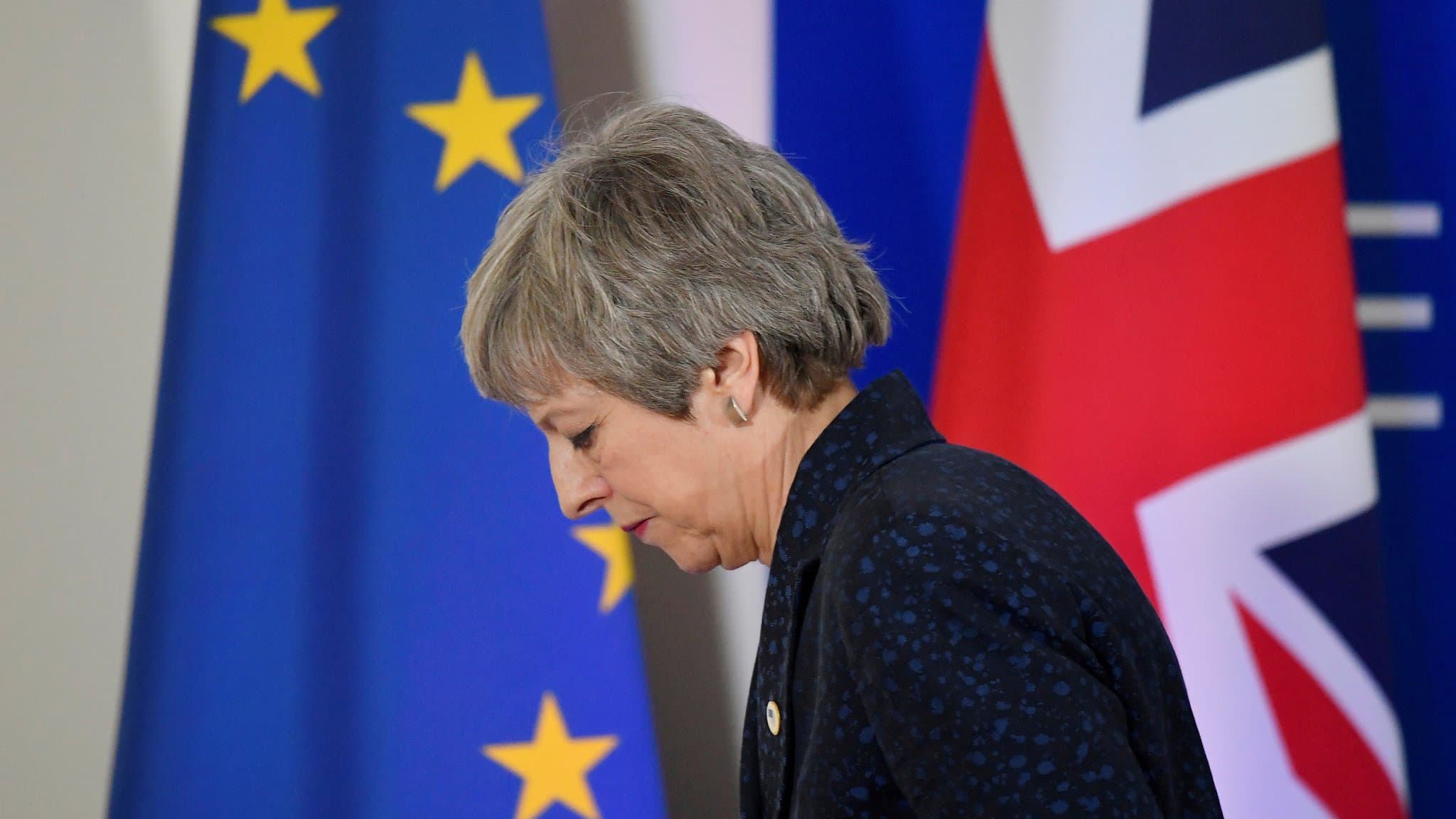
Theresa May urges UK government to stop attempts to reverse Brexit
Former British Prime Minister Theresa May has criticized the current government's approach to EU relations, insisting that the Brexit decision must be respected.
 ⚽Sport
Dynamo's top scorer Matviy Ponomarenko missed derby due to injury
Dynamo Kyiv forward Matviy Ponomarenko missed the UPL match against Obolon due to a thigh muscle injury. The player is currently training individually and will likely mis…
 🏙️City
Emergency Measures in Power Grid: Special Outage Schedules Introduced in Zaporizhzhia Region
Due to power shortages and the aftermath of attacks, special emergency shutdown schedules have been implemented in the Zaporizhzhia region, operating outside of planned r…