Banned Cosmetic Ingredients: How to Check Shampoo Composition Under EU Standards
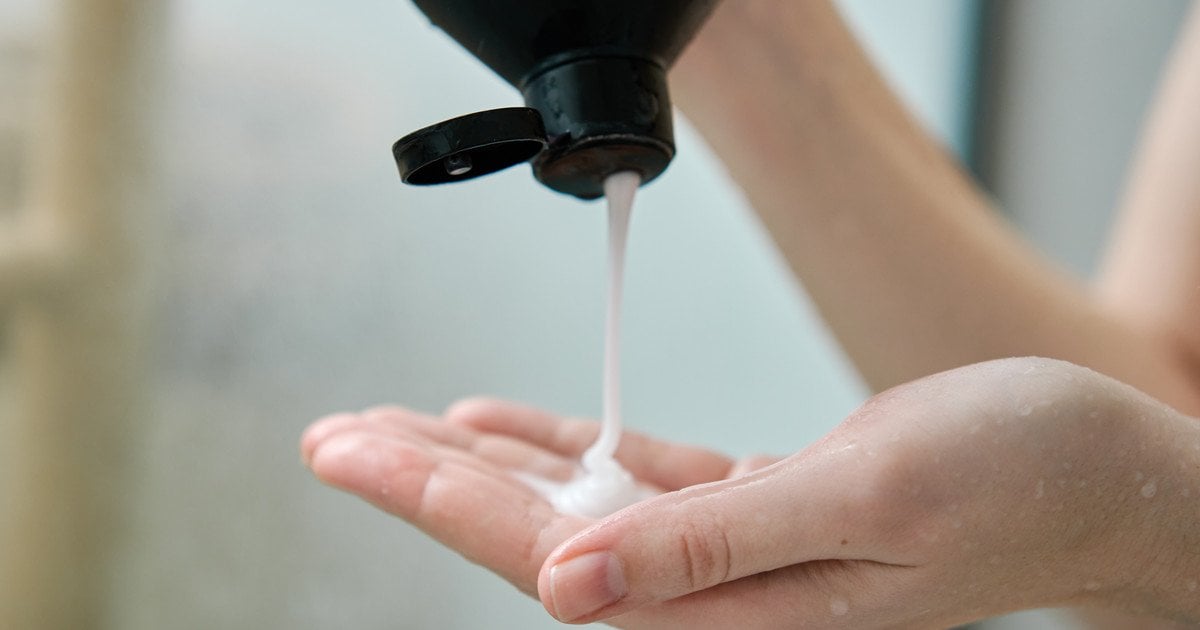
The European Union has restricted several substances in personal care products, including Zinc Pyrithione and the Lilial fragrance. Consumers are advised to thoroughly inspect product labels.
 🩺Health
Photo: TSN
Key points
- Zinc Pyrithione has been banned in EU cosmetics since March 1, 2022.
- Fragrances Lilial, Lyral, Atranol, and Chloroatranol are prohibited due to allergenicity and safety risks.
- SLS, SLES, and silicones remain allowed, while Methylisothiazolinone is limited to a 0.0015% concentration.
European regulations governing the cosmetics industry impose strict rules on specific chemical compounds rather than targeting individual commercial brands. Under EU Regulation No. 1223/2009, banned substances are listed in Annex II, while ingredients subject to restrictions appear in Annex III. Consequently, a product's formula under the same brand name may vary depending on the target market and production date.
Key Substances Prohibited in the European Union
Several ingredients previously widespread in cosmetics have been fully withdrawn from the EU market:
- Zinc Pyrithione: An anti-dandruff agent banned in cosmetics since March 1, 2022, due to potential reproductive toxicity concerns and the availability of suitable alternatives.
- Butylphenyl Methylpropional (Lilial): A synthetic floral fragrance ingredient placed on the EU list of prohibited cosmetic substances.
- Hydroxyisohexyl 3-Cyclohexene Carboxaldehyde (Lyral): A fragrance component banned over risks of inducing contact allergies.
- Atranol and Chloroatranol: Aromatic ingredients derived from oakmoss and treemoss extracts, prohibited by the European Commission due to allergenic risks.
Permitted Ingredients and Checking Guidelines
Conversely, the presence of SLS, SLES, or silicones does not mean a shampoo is banned in the EU. For certain preservatives, regulatory authorities specify acceptable limits rather than total bans. For instance, Methylisothiazolinone is permitted in rinse-off cosmetic products only up to a concentration of 0.0015%.
To ensure personal care products are safe, consumers are recommended to inspect ingredient labels for prohibited substances, verify manufacturing dates and country of origin, and cross-check unverified formulas with official EU cosmetic databases or directly with manufacturers.
Source TSN — tsn.ua/other/iaki-shampuni-zaboroneni-v-yes-povnyy-spysok-i-iak-perevir… ↗
Read next
 🛡️Security
Defense industry unveils new Black Betty drone already deployed on the frontline
Company Ukrspecsystems has introduced the Black Betty loitering munition, a cost-effective and simplified version of the RAM-2X system already used in combat.
 🚌Transport
Cascade Crisis in Metallurgy Threatens Industrial Communities' Budgets and Logistics
Production cuts in Ukraine's mining and metals sector due to shelling, logistics issues, and energy shortages lead to declining tax revenues and threaten the stability of…
 🚌Transport
Russian Government to Allocate Over $573M for Kaliningrad Ferries
Russian authorities will direct over $573 million to build two railway ferries aimed at preventing a transport blockade of the Kaliningrad region.
 ⚽Sport
Spanish tennis player Carlos Alcaraz sets historic financial record at ATP Finals 2026
Spain's Carlos Alcaraz won the ATP Finals in Turin, claiming the largest prize money in men's tennis history for a single tournament.
 🛡️Security
Volodymyr Zelenskyy announces Ukraine's readiness for four-party talks to end the war
The Ukrainian President stated that the country is prepared to launch negotiations involving Ukraine, Europe, America, and Russia as early as possible.
 🎓Education
Why Winter Hats Have Pom-Poms: History and Practical Purpose of the Accessory
Pom-poms on winter hats have a long history rooted in military uniforms and maritime traditions. Today, this element serves a mostly decorative role while sometimes causi…