AI on the Frontline: Ukrainian Ground Robots Transition to Autonomy
The Ukrainian defense industry is integrating artificial intelligence into ground robotic complexes (GRCs) to enable autonomous mission execution and resilience against electronic warfare.
 💡Tech
Photo: RBC-Ukraine
Key points
- GRCs are moving from manual control to AI-driven autonomous missions.
- Autopilot and Backtrack features mitigate the risks of signal loss and EW.
- Synthetic datasets are being used to achieve over 95% AI detection accuracy.
The manufacturing industry for ground robotic complexes (GRCs) in Ukraine is undergoing a significant shift from manual operation toward full automation. Currently, the primary challenge for these robots is their heavy reliance on a stable connection with the operator. In environments where electronic warfare (EW) is prevalent or terrain is difficult, losing signal often means losing the machine itself.
Autonomy and Obstacle Navigation
To address these vulnerabilities, developers are focusing on two main technological pillars: Autopilot and Backtrack. The autopilot feature allows the platform to navigate complex routes and bypass obstacles independently. Meanwhile, the Backtrack system ensures that if the connection is severed, the robot can autonomously return to its starting point following its previous path. These advancements are crucial for maintaining operational integrity in signal-denied environments.
Furthermore, automation reduces the burden on human operators. Instead of controlling every single movement, an operator can oversee multiple platforms simultaneously, significantly increasing the efficiency of unmanned units on the battlefield.
AI Training and Threat Detection
A specialized area of development involves using AI to detect threats, particularly FPV drones. Achieving over 95% accuracy in threat detection is a monumental task, especially given the harsh conditions of the battlefield—mud, dust, and poor visibility. Algorithms must be trained to make safe and precise decisions in real-time.
Companies like TechUnity are accelerating this training by combining real-world combat footage with synthetic datasets. By training models on tens of thousands of generated scenarios and validating them against real combat data, engineers are rapidly improving AI performance. The long-term vision is to create a seamless ecosystem where ground and aerial unmanned systems interact autonomously, providing a robust and technologically advanced defense shield.
Source RBC-Ukraine — rbc.ua/ukr/news/nrk-aktivno-vikoristovuyut-shi-shcho-mozhut-1795429… ↗
Read next
 ⚽Sport
Alcaraz's Triumph and Young Prospects: Insights from the ATP Finals
Spanish tennis star Carlos Alcaraz completed the ATP Finals undefeated, cementing his status as one of the premier leaders in men's tennis.
 🛡️Security
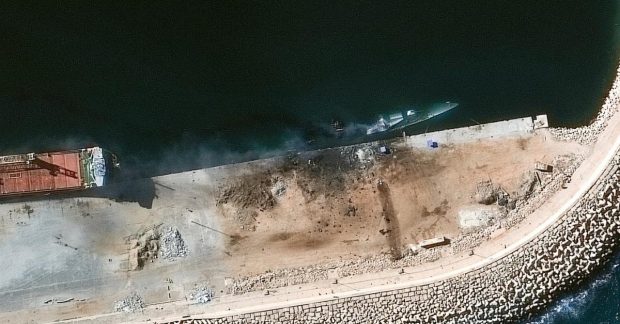
Satellites confirm destruction of Russia's newest corvette Mercury in Libya by drone attack
Satellite imagery reveals the sinking of Russia's advanced warship Mercury in the Libyan port of Benghazi following a drone strike.
 🛡️Security
Russian FPV Drone Strike Destroys Pharmacy and Wounds Civilian in Sumy Region Border Town
On Monday, November 23, Russian forces attacked the border town of Seryna-Buda in the Sumy region using six FPV drones, completely destroying a pharmacy and critically in…
 🧠AI Analysis
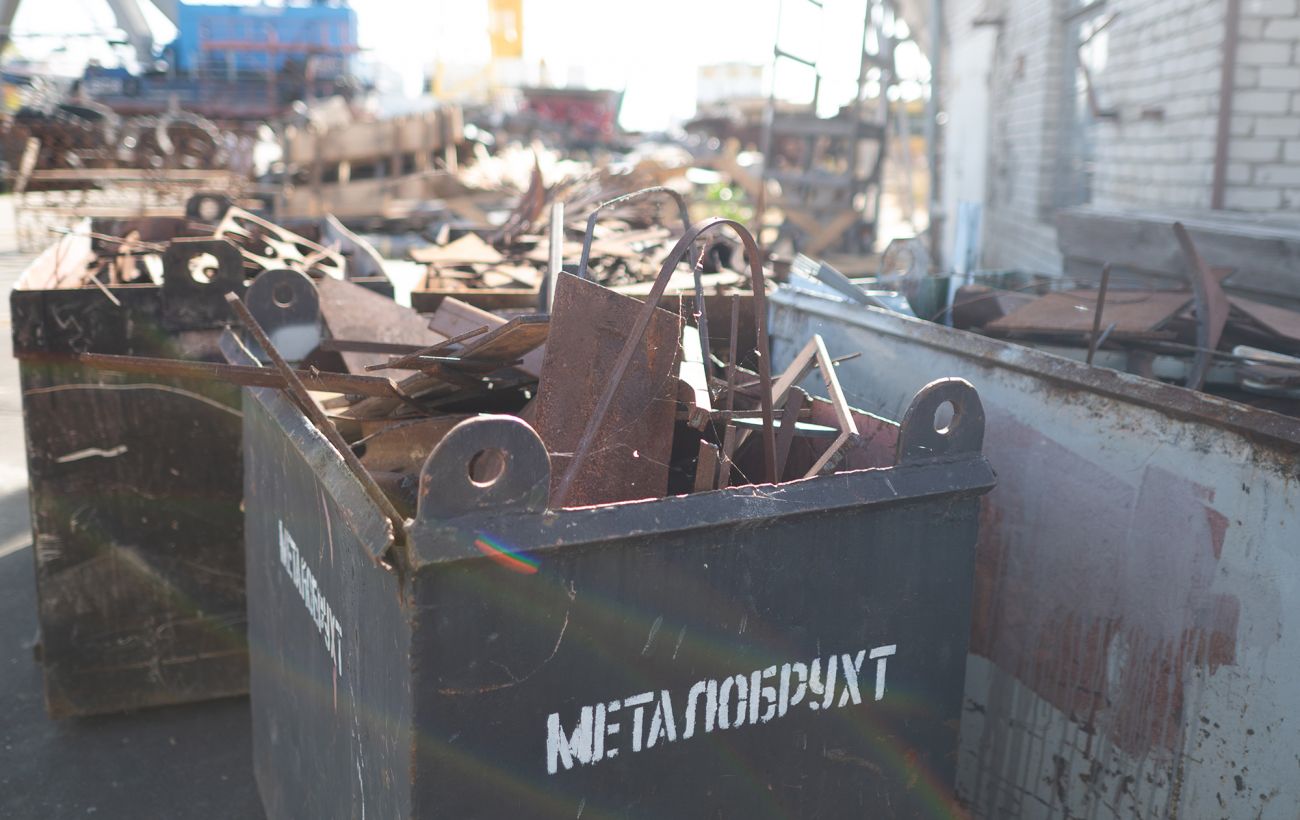
Scrap metal export at low starting price threatens metallurgy and state budget, MP warns
The Ministry of Economy's proposal to set the starting price for Ukrainian scrap metal exports at 27 euros per ton has sparked criticism over risks to domestic industry.
 🧠AI Analysis
The 'Alfred Jewel': Farmer Accidentally Discovers Artifact of English King
In 1693, an English farmer plowing his field unearthed a unique gold ornament, which was later linked to the legendary King Alfred the Great.
 🧠AI Analysis
Another Day of Enemy Attacks in Dnipropetrovsk Region: Consequences for the Region and Frontline Communities
On November 22, Russian forces launched massive shellings across several districts of the Dnipropetrovsk region, resulting in one death and multiple injuries. Strikes hit…