Ukrainian Defense Forces Strike Key 'Druzhba' Pipeline Hub in Tatarstan
Ukrainian forces targeted the Kaleikino oil pumping station, damaging three massive storage tanks that support a critical energy artery 1,000 km from the front line.
 🚌Transport
Photo: UNIAN
Key points
- Kaleikino station in Tatarstan hit, 1000 km from the front line.
- Three RVSPA-50000 tanks (50,000 cubic meters each) damaged or destroyed.
- Russian oil refining capacity dropped by 45% due to drone strikes.
On November 19, the Ukrainian Defense Forces conducted a successful operation, striking the Kaleikino oil pumping station in the Republic of Tatarstan. Located approximately 1,000 kilometers from the front line, this facility is one of the most critical hubs of the 'Druzhba' pipeline. According to the General Staff of the Armed Forces of Ukraine, three massive RVSPA-50000 storage tanks were hit, resulting in significant infrastructure damage.
The Kaleikino station serves as a central hub where oil from various Russian regions is collected and blended before being transported to refineries or exported via the 'Druzhba' system. The strike on three tanks, each capable of holding up to 50,000 cubic meters of crude oil, creates severe disruptions throughout the entire logistical chain. One tank was completely destroyed by fire, while the other two sustained substantial structural damage.
Technical Complexity and Consequences for the Aggressor
The RVSPA-50000 tanks are among the largest in Russia. These steel structures, roughly 60 meters in diameter and as tall as a six-story building, represent a significant engineering feat. Their construction takes months, requiring hundreds of tons of specialized steel and unique foundations. Rapidly repairing or replacing such facilities is nearly impossible under current conditions, making this strike particularly damaging to the Russian energy sector.
In addition to the Tatarstan strike, a previous attack targeted the Ilsky refinery in the Krasnodar region. That operation resulted in the destruction of one tank and damage to eight others of various capacities, as well as hits on a pipeline section and technical buildings. These systematic strikes on oil infrastructure have already caused Russian oil refining volumes to drop by nearly 45% compared to late October.
Impact on the War Economy
International analysts suggest that Russia is gradually shifting from a fuel exporter to an importer. In October, Russia's seaborne gasoline imports reached a record 390,000 tons. This trend highlights a deepening crisis in an industry that has long been the primary source of funding for the Kremlin's military expenditures.
For residents of frontline and de-occupied areas, including the Pokrov community, such operations signal the effective depletion of enemy resources. Reduced oil revenues and fuel shortages directly impact the aggressor's ability to maintain high-intensity combat operations and sustain logistics in occupied territories.
Source UNIAN — unian.ua/war/naftoprovid-druzhba-zsu-vdarili-po-naftoperekachuvalni… ↗
Read next
 🛡️Security
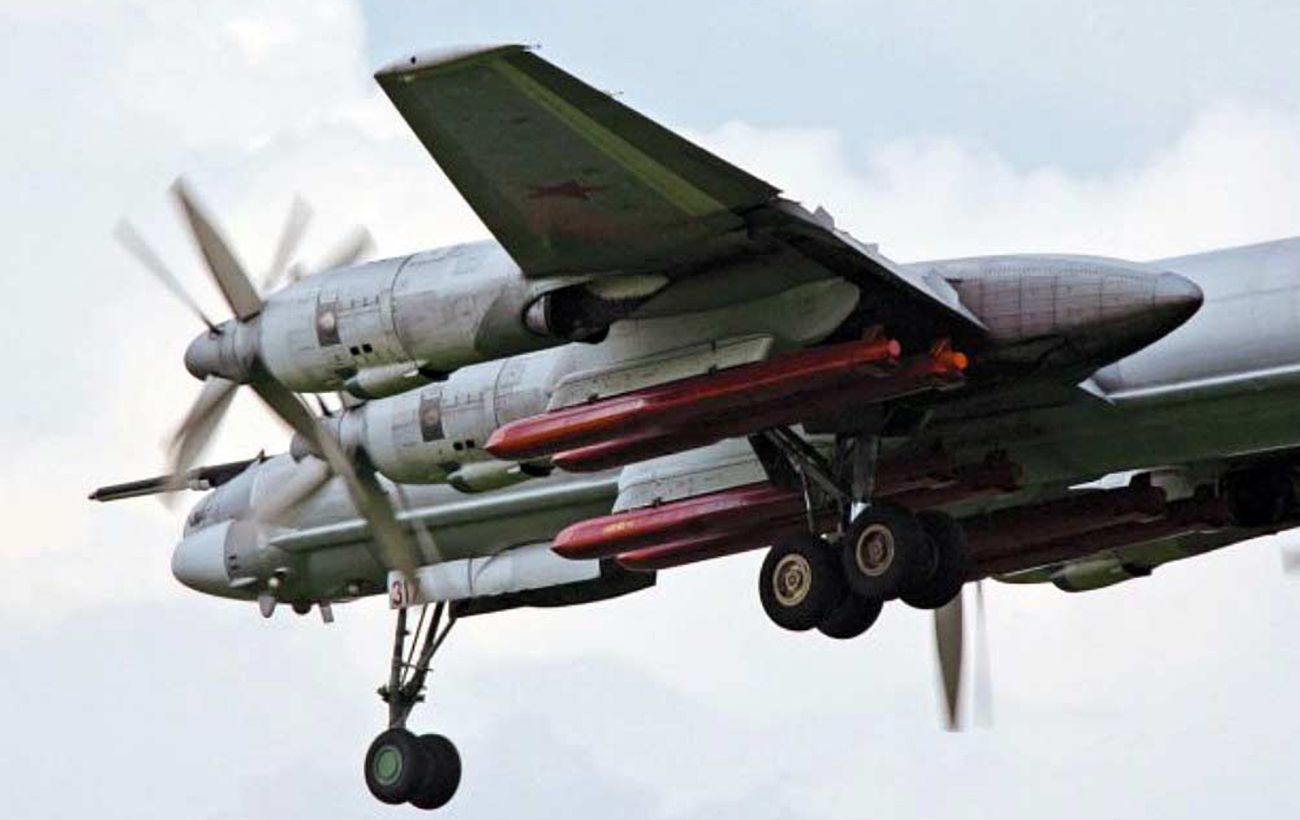
Debris of Russian Kh-101 missiles produced in late 2026 found in Poland
Fragments of Russian cruise missiles, manufactured just weeks ago, have been discovered in eastern Poland, prompting an urgent NATO review.
 💼Economy
Charity auction in Lviv region raises UAH 60 million for Ukrainian defenders
A charity event in the Lviv region has raised funds to purchase drones and support the rehabilitation of a wounded soldier.
 🚨Events
Airspace violation: Russian missiles land in Poland near NATO training zone
Russian cruise missiles and a drone crossed the Polish border, with Warsaw officials characterizing the event as a deliberate provocation.
 🏙️City
Nighttime UAV Attack: Situation Across Ukraine
On the night of November 23, the enemy launched a series of drone attacks on Ukraine, with UAVs approaching from multiple directions.
 🏙️City
How to prepare your home for winter: Scandinavian window insulation tips
Residents of Pokrov can significantly reduce heat loss this winter using household items without the need for expensive repairs.
 👥Society
Investigation into Poland incident: 2026-made Russian missiles identified
Polish prosecutors have released preliminary findings regarding the violation of national airspace by Kh-101 cruise missiles.