Global Security Threat: The Economist Analyzes the Autocratic Axis
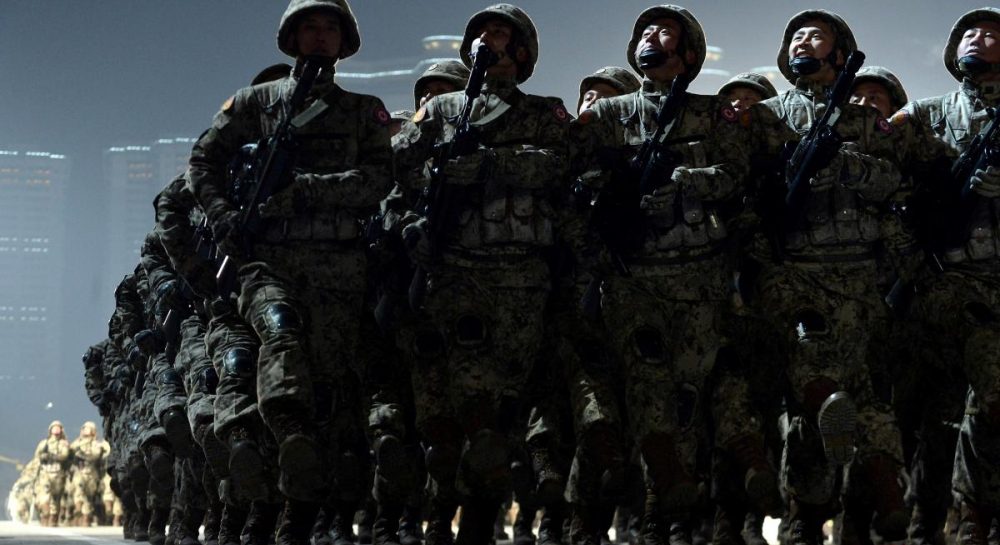
The Economist reports that Russia, China, Iran, and North Korea are developing a coordinated network that challenges the existing global order.
 🇺🇦Ukraine
Photo: UNIAN
Key points
- Formation of an informal axis of four autocratic regimes
- Over 600 instances of security cooperation recorded
- Coordination in bypassing international sanctions
International observers are increasingly focused on the deepening cooperation between autocratic regimes. According to The Economist, Russia, China, Iran, and North Korea have moved beyond rhetoric, engaging in the exchange of military technology, intelligence, and combat experience, while simultaneously creating networks to bypass Western sanctions.
A New Challenge to Global Stability
The FDD think tank has documented over 600 instances of security cooperation between these nations from 2019 to 2025. This interaction has intensified significantly following the full-scale invasion of Ukraine. While this grouping lacks a unified command structure like NATO, its impact on the global security landscape is becoming increasingly profound.
The cooperation between these four regimes makes each of them more resilient to Western pressure, even without a formal military alliance.
Analysts note that the interests of these countries do not always align perfectly. China often prioritizes economic stability, whereas Russia benefits from global turbulence. However, their shared objective of undermining Western influence creates a powerful, albeit informal, coalition that is difficult for the international community to contain.
Source UNIAN — unian.ua/world/rosiya-knr-iran-ta-pivnichna-koreya-stvorili-neforma… ↗
Read next
 🎭Culture & Sport
Ukrainian gardener grows a giant pumpkin weighing 350 kilograms
A resident of the Cherkasy region, Oleksiy Buryachenko, grew a giant pumpkin that became the largest in Ukraine and shared it with the local community.
 🛡️Security
Tragedy in Dymer: death toll from Russian attack rises to eight
Rescue teams are continuing to clear rubble in Dymer, Kyiv region, where eight people have died following a Russian strike.
 🎭Culture & Sport
Clashes at Kyiv Pechersk Lavra: Police Launch Investigation
A confrontation occurred at the Kyiv Pechersk Lavra due to disputes over the use of religious buildings. Police are currently investigating the incident.
 🏙️City
ISW analysts explain why humanitarian corridors in Kostiantynivka are impossible
The Institute for the Study of War (ISW) clarified why the Kremlin's proposal for evacuation from Kostiantynivka is unfeasible compared to Ukraine's initiative for the Kh…
 💼Economy
Attack on Novoshakhtinsk Refinery: Analysis of the Impact on Aggressor's Fuel Logistics
On the night of November 23, a new attack was reported on the Novoshakhtinsk Oil Products Plant in Russia's Rostov region, a key fuel supplier for the occupying forces.
 🧠AI Analysis
Special operation in Kharkiv: details of a high-profile murder
In Kharkiv, law enforcement officers are searching for those involved in the murder of a man on the evening of November 22. A special police operation has been declared i…